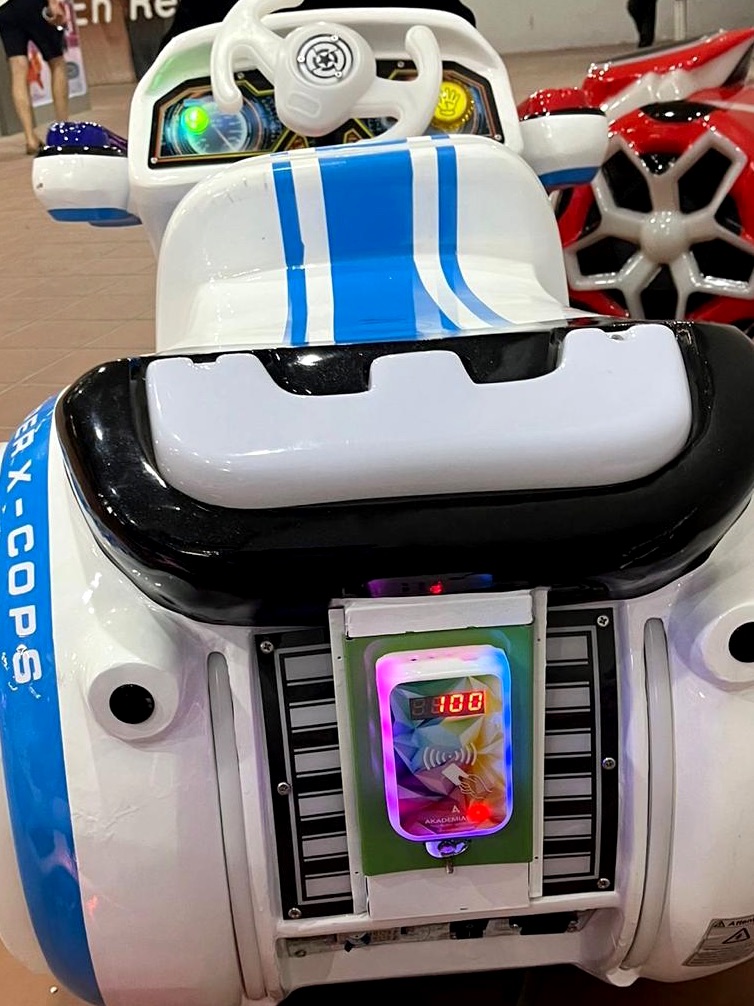
Machine RFID Card Reader
Bring existing machines into a cashless arcade system.
The machine card reader allows customers to tap an RFID card and start play. It also helps create machine-level usage and revenue data for reporting.
System Components
AkademiaPlay combines RFID card readers, POS, loading devices, servers, timed entry, turnstiles, cafe tools, cloud backup and reporting into one operating system.
Use this page to understand which components may be needed for cashless play, indoor playground entry, cafe operations and multi-location management.
How Components Work Together
Each venue needs a different mix. An arcade may begin with card readers and POS; a soft play center may also need timed entry and turnstiles; a multi-location FEC may need remote reports and backup.
RFID card readers, printed cards and balance check points enable cashless play.
Loading devices, touch POS, customer displays and receipt printers support cashier operations.
Timed readers and turnstiles help manage soft play, indoor playground entry and capacity.
Servers, cloud backup, mobile app support and remote reporting help operators manage growth.
Component Guide
The goal is not to add every component. The goal is to choose the parts that match your machine count, POS flow, cafe needs, timed areas and reporting expectations.
Bring existing machines into a cashless arcade system.
The machine card reader allows customers to tap an RFID card and start play. It also helps create machine-level usage and revenue data for reporting.
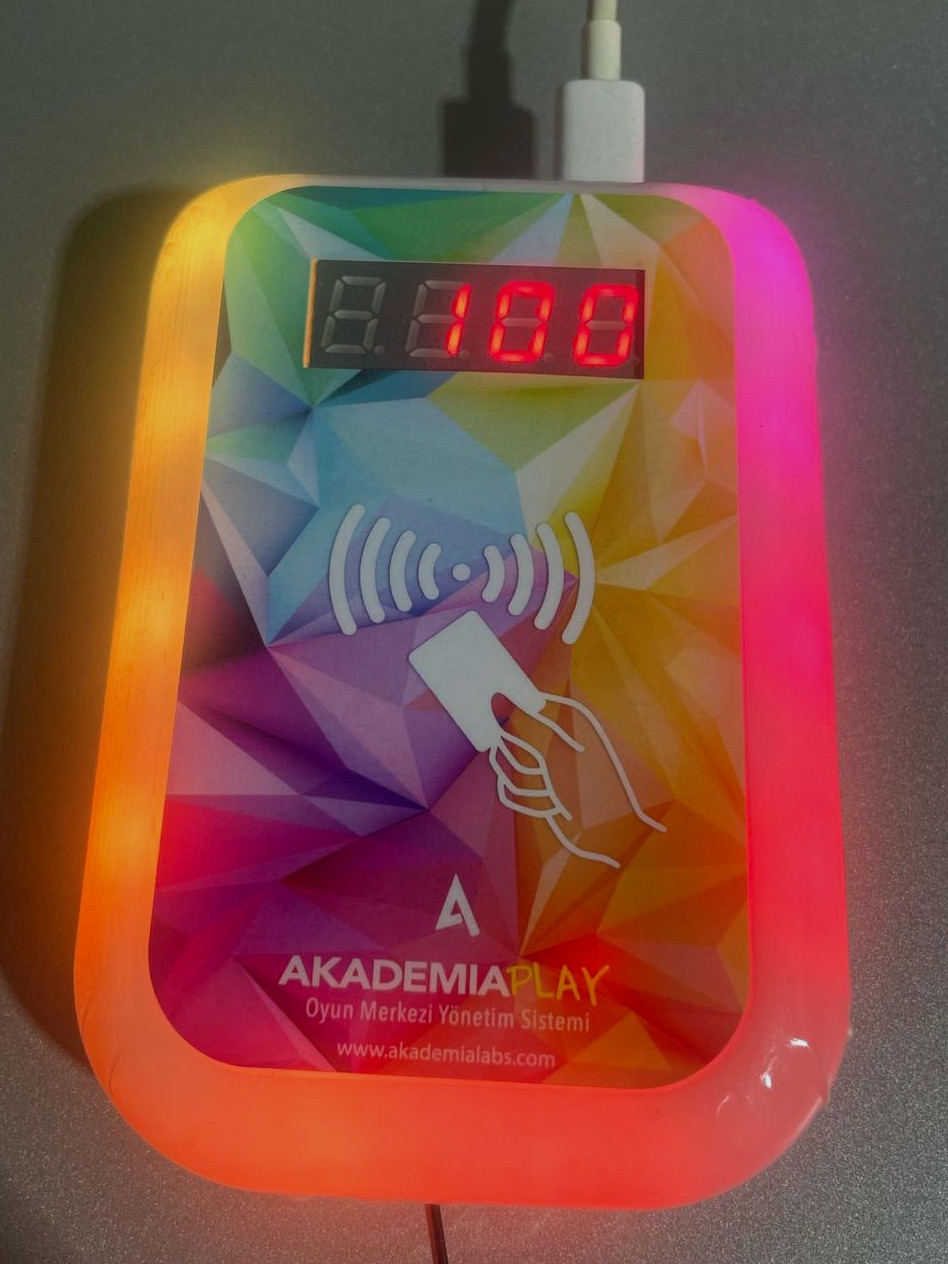
Load balances and keep cashier activity connected to card usage.
The loading device is used for card sales, balance loading, package selection and cashier workflows. It is central to the cashless POS experience.
Run the system on an existing compatible computer or POS setup.
A software server can be suitable for smaller or starting venues that need card, POS, customer and basic reporting workflows.
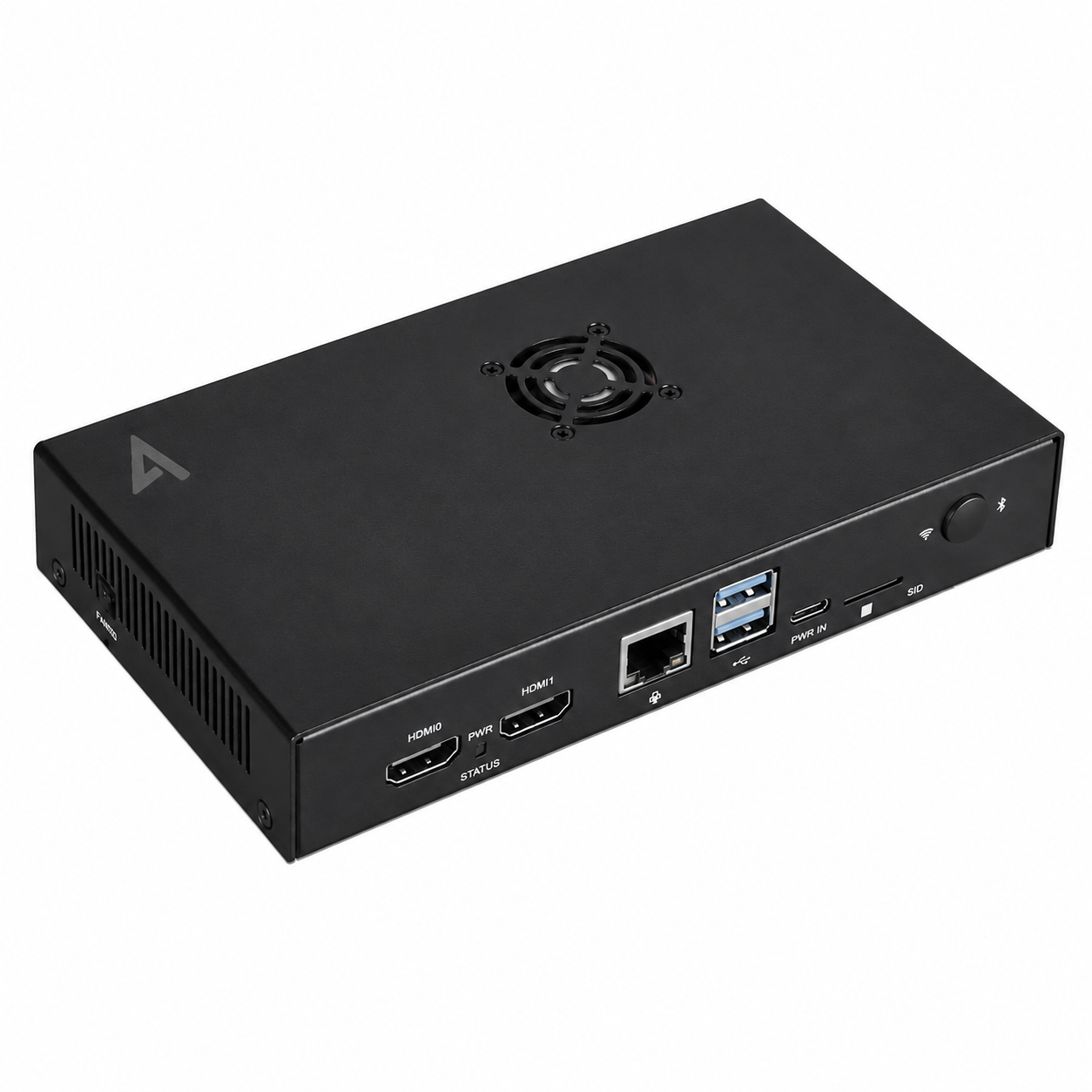
Support more stable and scalable operation for larger setups.
A dedicated server can be planned for multi-component venues, remote access needs, mobile app support and multi-location operations.
Extend the card experience with digital balance and loyalty features.
The mobile layer can support customer engagement, balance visibility, campaign communication and loyalty scenarios when needed.
Give customers a reusable identity for balances, bonuses and repeat visits.
Printed cards can be planned by expected venue traffic and branding needs. They connect customer activity with balance and usage history.
Make cashier workflows faster and easier to train.
Touch POS helps staff handle card loading, sales, payments, customer lookup and daily checkout workflows from one station.
Manage soft play or paid entry areas with clearer timing.
Timed readers can support session-based play, extensions and entry control for indoor playground and soft play operations.
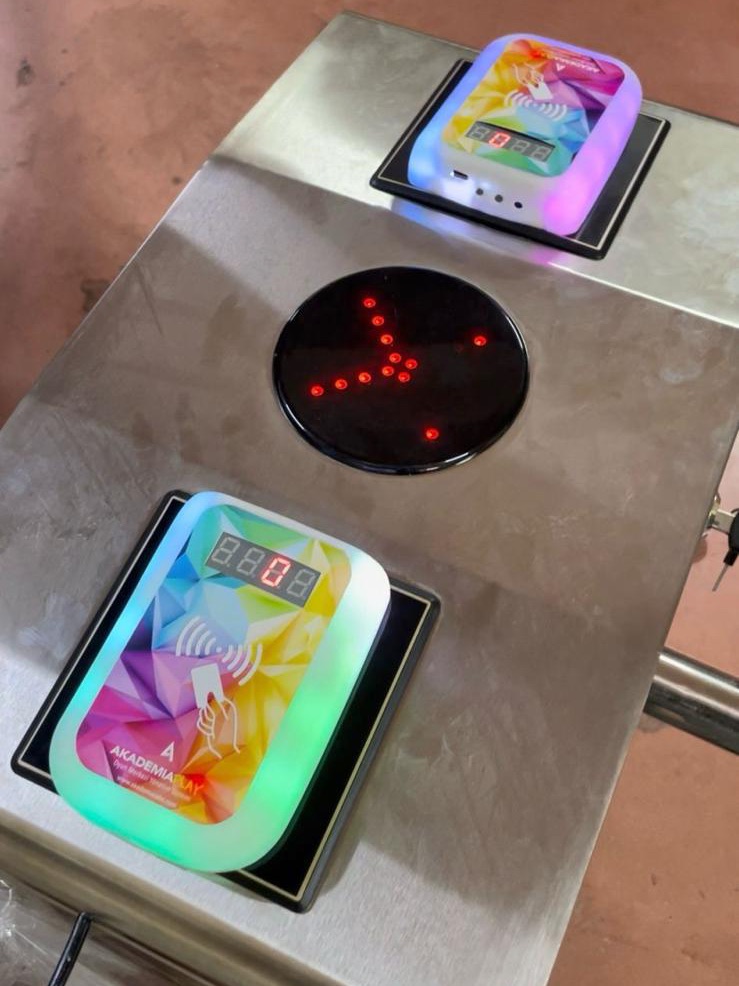
Control access to soft play, timed areas or paid entry zones.
Turnstiles can be planned when the venue needs structured entry, exit control and better capacity discipline.
Connect cafe sales, table orders and kitchen flow with the wider venue operation.
The cafe module, receipt printer and kitchen printer help track food sales alongside arcade or soft play activity.
Protect operational data and make key reports easier to access remotely.
Cloud backup and remote reporting can help operators reduce dependence on a single local computer and review sales, card activity, machine reports and branch results more easily.
Choosing Components
A machine-heavy arcade may prioritize readers, POS and machine reports. An indoor playground may need timed entry and turnstiles. A cafe-enabled FEC may need table orders, kitchen printing and combined reporting.
Share your machine count, timed areas, cafe needs, server expectations and reporting goals.